













Paid Services







Krishna Janmashtami 2017: A Festival of Joy
Author: Punit Pandey | Last Updated: Mon 27 Feb 2017 12:45:50 PM
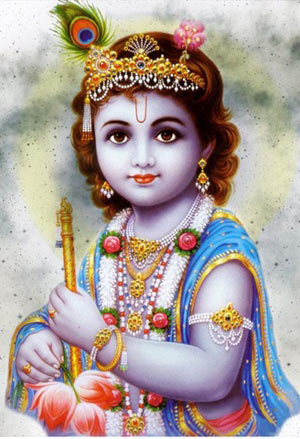
Krishnashtami is one of the most important festival in Hindu culture. It is celebrated as the birthday of Lord krishna was the 8th avatar of Lord Vishnu. According to the beliefs, Lord Krishna took birth on the earth to save it from demon king. As per our Hindu Calendar, it is observed on the 8th day of Krishna Paksha in the month of Shravana. In 2017, it will be marked on 14th of August. To know more, read on...
“Krishna is a name of the Supreme. It means "all- attractive." Anything that might attract you has its source in the Supreme”. - Unknown
He is considered to be the Lord's most glorious incarnation. This festival is also known as Ashtami Rohini, Gokulashtami, Krishnashtami and Sri Krishna Jayanthi.The first day is Krishnashtami or Gokulashtami. The second day is called Kalashtami or more popularly Janmashtami.
The Ritual of this glorious festival Janmashtami differs from place to place. Some general ritual are followed everywhere though. It is believed that Lord Krishna was born at midnight and it is at this time that the true festivities commence. Food is prepared from milk and curd, Lord Krishna’s favourite. Some Hindus fast for the first day of Krishna Janmashtami, choosing only to eat after the midnight celebrations. Dances and songs are used to venerate this supreme God. In Temples, images of Lord Krishna are bathed and placed in cradles, whilst the shankh (conch shell) is played and bells are rung. Holy mantras are also chanted to venerate Lord Krishna.
In Southern India, women draw patterns of little children's feet outside the house to symbolize Laddu Gopal entering to bless it. Varieties of sweets are made during this occasion. Among them, laddus and payasam are the most common sweets.
In north India, the festival is celebrated with special fervor. The temples at Vrindavan and Mathura witness a colorful, even boisterous celebration on this occasion, and festivities at these places may extend for several days. Devotional songs and dances mark the celebration. The Raslila is performed to recreate incidents from the life of Lord Krishna and commemorate his love for Radha.
In Mumbai and other cities of Maharashtra, popular ceremony known as 'Dahi Handi' takes place where the pot containing curd or butter or milk is broken by the youths. Dahikala or Govinda, is the festival of tying pots of yogurt and milk, and breaking them.
The festival is celebrated with great joy and communal togetherness by devotees all over the world All because as a revolutionary, promoter of brotherhood, savior of mankind, he was friend with animals, environment, nature, respectful to women, promoter of brotherhood; he was regarded by his devotees as the ultimate deity. A God in all forms he truly represented the universe. His devotees commemorate his earthy presence by celebrating his Janmotsav every year with great zeal and enthusiasm.

 Buy Today
 Best quality gemstones with assurance of AstroCAMP.com More
 Take advantage of Yantra with assurance of AstroCAMP.com More
 Yantra to pacify planets and have a happy life .. get from AstroCAMP.com More
 Best quality Rudraksh with assurance of AstroCAMP.com More
Get your personalised horoscope based on your sign.