













Paid Services






Raksha Bandhan 2017: What is Raksha Bandhan?
Author: Priyanka Mahajan | Last Updated: Tue 21 Feb 2017 5:48:33 PM
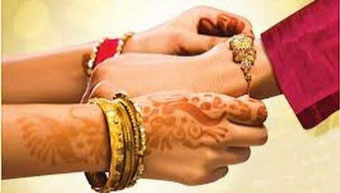
Raksha Bandhan will be marked on 7th of August in 2017, as per the Gregorian Calendar. This day is observed in all the regions of India. It is also known as Rakhi Purnima, Rakhi or Rakhri. It is a symbol of loving and caring bond between a brother and a sister. As per the Hindu Calendar, it is celebrated in the month of Shravana on a Purnima (full moon day). If you want to know more, read on…
On the Raksha Bandhan day, both brother and sister sit facing each other. They wear traditional dresses which add to the beauty of this day. The sister prepares an 'Aarti Thaali' containing red kumkum, rice or akshat and a diya. Then after performing the pooja and aarti, the sister applies tilak on the forehead of his brother and ties the rakhi on his wrist. Then she prays for his brother's goodness and wellness. In return, the brother gives her sister various Rakhi gifts. The gifts can be anything like a dress, jewellery, toys, cash, but, the main aim of every brother, by offering these gifts to her sister, is to make her feel good as well as happy. Sister, then also offers sweet to her brother, indicating their sweet relationship. It is not necessary that sisters only get the rakhi from the market but some of them enjoy making a rakhi all by themselves.
Nowadays, Rakhi comes in different designs and colors. Materials like glitter, beads, pearls, feather fibres etc. are used. Rakhis come in all the ranges. Some are very expensive also. For example: Rakhis also come in gold and silver metal. Though these Rakhis are expensive but they are durable ones and also add glamour to the festival. But even a simple thread tied on this day by a sister to her brother communicates the original message of love and affection in their relationship. Then, all the above mentioned rituals are also performed to God, in order to receive the blessings of God and to protect their relationship from all the troubles and hurdles.
Some brothers-sisters stay in different parts of the country and even in abroad and thus, cannot tie rakhi, but, they still celebrate this festival with much fervor and excitement. The sister posts an envelope containing a letter, the rakhi and also a kumkum packet. The letter written by her has, on it, all the blessings that she, with all the love and care sends her brother with that rakhi. Thus, the festival of Raksha Bandhan is the symbol of immense strength of love and bond between the brother and sister.
Raksha Bandhan: The Historical Significance
There is a popular story of Rani Karnavati of Chittor and Mughal emperor Humayun, behind the celebration of this divine festival. During 1535, Rani Karnavati, who was the widowed Queen of King of Chittor felt that she was unable to fight against the invasion by the Sultan of Gujarat, Bahadur Shah. So she sent a Rakhi to Humayun, the Mughal emperor. This lovable gift touched the emperor's heart and he promised Karnavati to protect her from every evil. Humayun was very well aware about the importance of Rakhi in Hindu community and accepted Karnavati as his sister and then he immediately set off with his troops to fight against Bahadur Shah, to defend Chittor.


 Buy Today
 Best quality gemstones with assurance of AstroCAMP.com More
 Take advantage of Yantra with assurance of AstroCAMP.com More
 Yantra to pacify planets and have a happy life .. get from AstroCAMP.com More
 Best quality Rudraksh with assurance of AstroCAMP.com More
Get your personalised horoscope based on your sign.